 GDU
GDU
 UUUFLY
 DJI
DJI MMC
MMC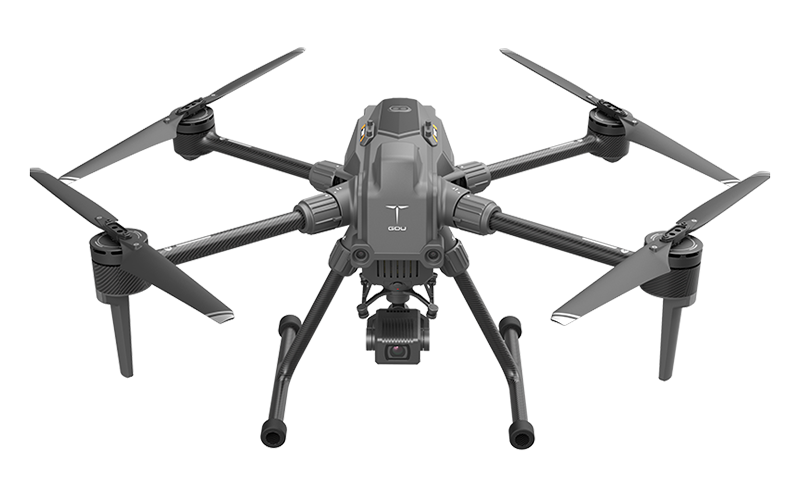 GDU
GDU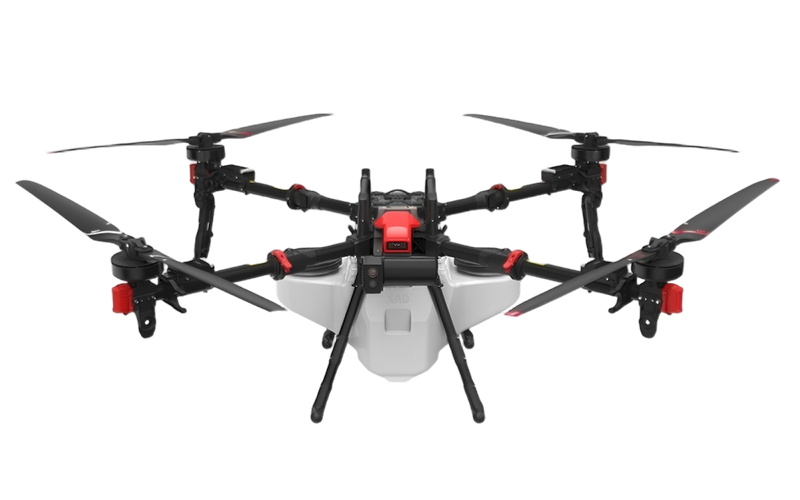 XAG
XAG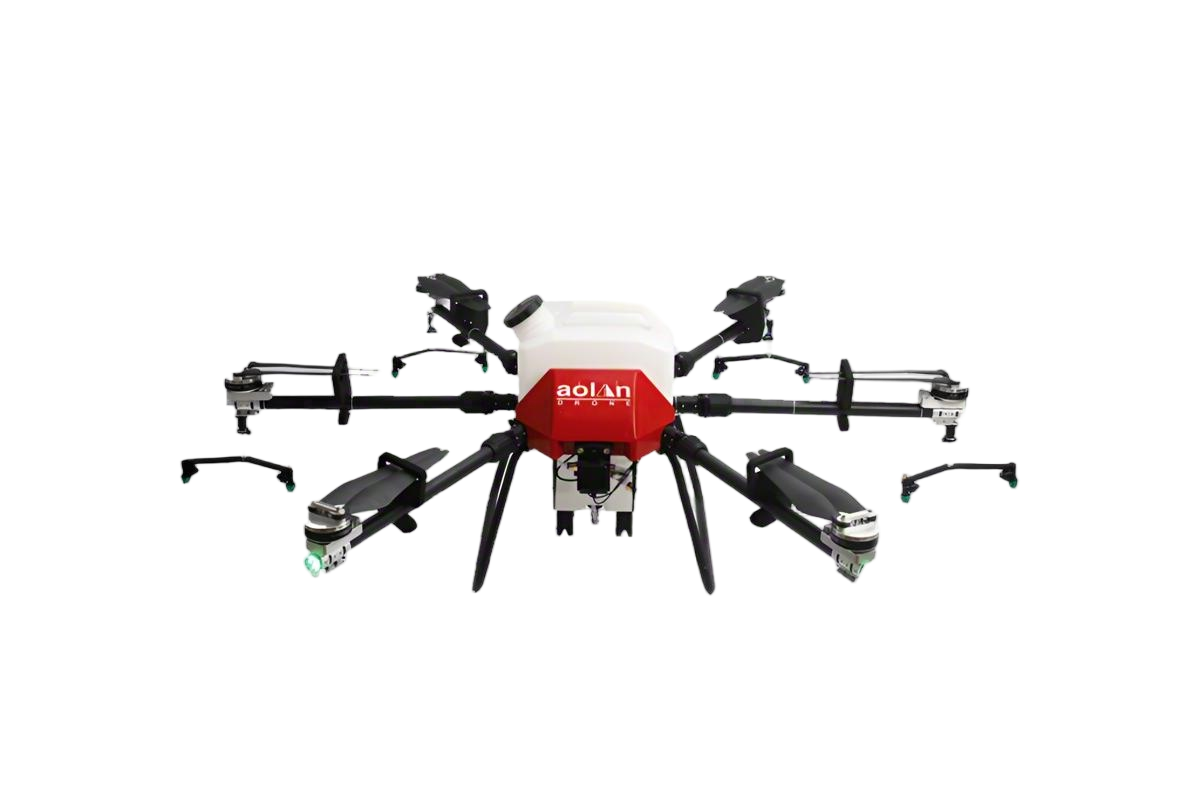 AOLAN
AOLAN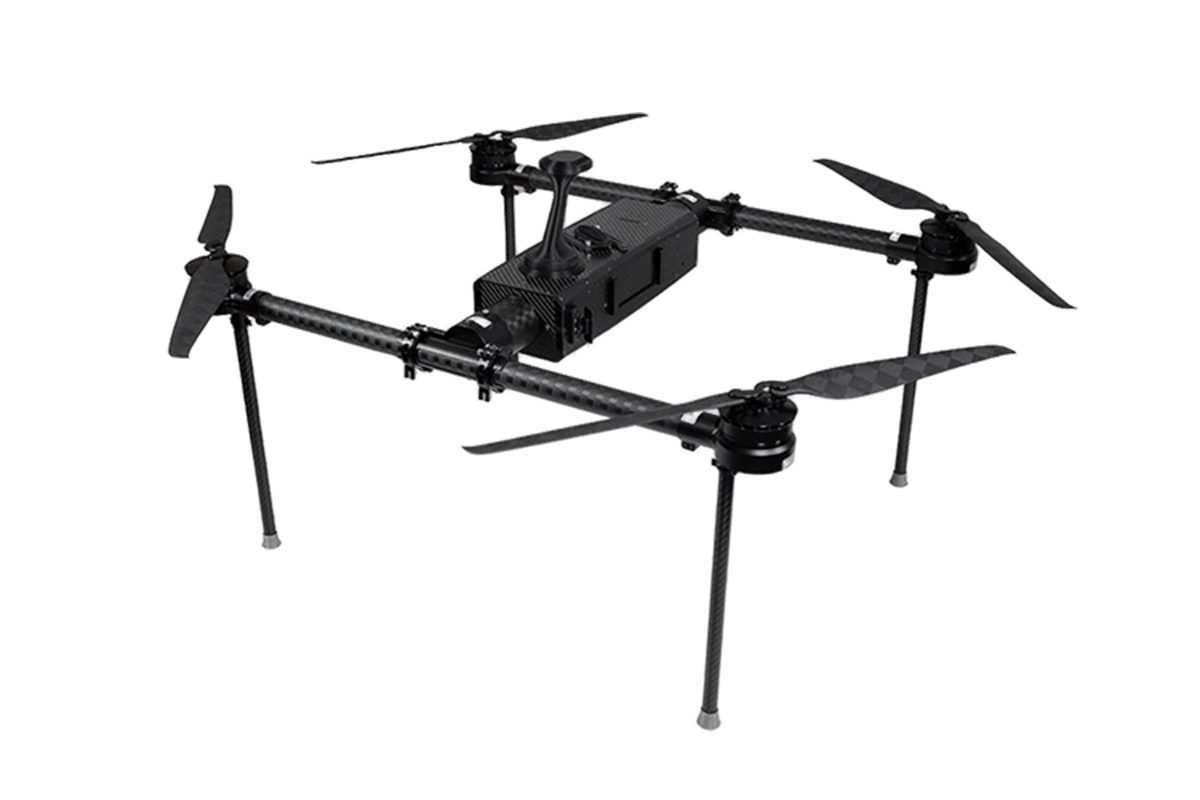 KEEL
KEEL SKY NEXT
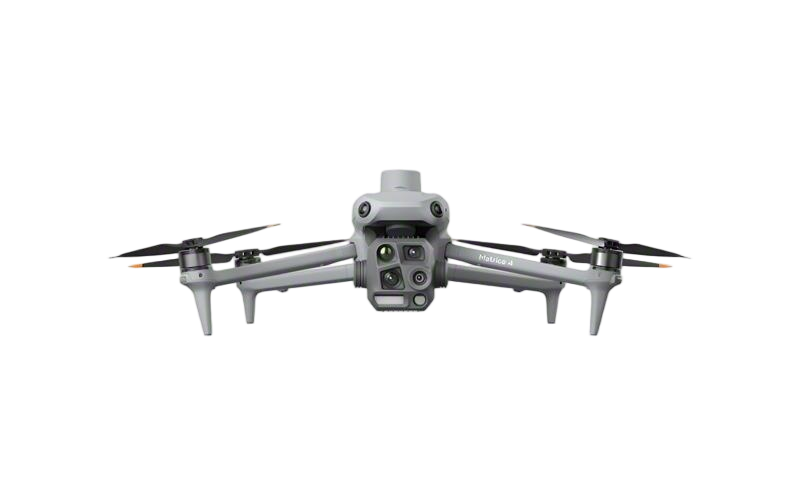
- DJI Matrice-4T
- DJI Matrice 4E Drone
- DJI Matrice 4TD
- DJI Matrice 30T
- DJI Mavic 3 Emterprise
- DJI Mavic 3M Multispectral Drone
- DJI RC 2 Plus Industry Plus
- DJI Matrice 4 Series Battery
- DJI Matrice 4D Series Batteries
- TB65 Intelligent Flight Battery
- TB100 Smart Flight Battery
- WB37 Battery
- DJI Accessories

The rise of Thermal Drones really marks a big shift when it comes to aerial inspections across different industries. I mean, a report from MarketsandMarkets says the thermal imaging market might hit around $6.36 billion by 2025—that’s pretty crazy, right? This huge growth just shows how much everyone’s been craving more advanced, reliable inspection tech. Industries like construction, energy, and agriculture are really reaping the benefits because of how precise these drones can be.
What’s cool about these drones is how well they spot heat differences—super handy for things like checking for energy leaks in buildings or catching equipment issues early. Companies like DJI and FLIR Systems have been leading the way, rolling out models that really boost the speed and accuracy of inspections. But here’s the thing: you need someone skilled to interpret the thermal images correctly; it’s not just a plug-and-play deal.
Of course, thermal drones aren’t perfect or suitable for every situation. Things like weather conditions or what exactly you’re inspecting can make a big difference in how well they work. So, businesses really gotta stay flexible, keep testing and adjusting their aerial inspection methods to get the most out of this fancy technology. It’s all about finding that sweet spot, you know?

Understanding Thermal Drones and Their Role in Aerial Inspections
Thermal drones have become essential in aerial inspections across various industries. They use infrared technology to detect temperature variations. These variations often indicate issues in buildings, electrical systems, and even pipelines. According to a report from the Drone Industry Insights, the thermal drone market is projected to grow by 30% over the next five years. This growth highlights the increasing reliance on thermal imaging for proactive maintenance and safety checks.
In the realm of aerial inspections, efficiency is crucial. Traditional inspection methods can be time-consuming and may require scaffolding or heavy equipment. Drones streamline this process significantly. They can cover large areas quickly and capture data that humans might overlook. However, it's important to recognize that not all thermal drones perform equally. Factors such as camera resolution and flight time can greatly affect inspection quality and accuracy. Industry studies suggest that while many drones claim superior performance, real-world testing often reveals discrepancies.
The challenge remains: selecting the right thermal drone can be daunting. Operators must evaluate their specific needs and consider the environment in which they will operate. Potential users often overlook the significance of proper training in thermal imaging interpretation. Mistakes in analysis can lead to incorrect conclusions about a structure's condition, affecting maintenance decisions. Ensuring operators are well-trained is as crucial as the drone technology itself. By carefully weighing these factors, companies can enhance their inspection strategies effectively.
Leveraging Thermal Imaging: The Impact of DJI Matrice 4T and DJI Care Enterprise on Modern Aerial Surveying Efficiency
In the rapidly evolving field of aerial surveying, leveraging advanced technologies such as thermal imaging significantly enhances operational efficiency and precision. The modern aerial surveying landscape has been transformed by dual visible and thermal imaging capabilities, enabling professionals to conduct comprehensive inspections with unprecedented accuracy. By integrating both imaging modalities, operators can swiftly identify discrepancies in structural integrity or thermal variations that may indicate underlying issues, making inspections quicker and more effective.
Moreover, innovations in drone technology have facilitated real-time data collection and analysis, allowing users to make informed decisions on-the-go. This seamless integration of thermal imaging not only optimizes workflow but also reduces the potential for human error during the inspection process. By harnessing such cutting-edge tools, businesses can significantly enhance their operational capabilities, enabling them to deliver superior service to clients while maintaining safety and efficiency on-site. The incorporation of dual imaging systems represents a pivotal shift towards a more data-driven approach in aerial surveying, setting a new standard for industry practices.

FAQS
: Battery life and flight time are crucial for effective aerial inspections. They impact how much area can be covered.
Flight time can range from 20 minutes to over an hour. Longer times allow for more data collection in one flight.
Extended battery life supports comprehensive surveys, reducing the need for multiple flights and ensuring thorough inspections.
Not necessarily. Some inspections may only require shorter flights. Users should reflect on their specific needs.
Higher prices don’t guarantee better performance. Mid-range drones can still provide good thermal capabilities at lower costs.
Identify essential features for your inspections. Avoid spending on unnecessary capabilities that won’t enhance your work.
User reviews offer insights into real-world performance. They can help in making informed choices based on others' experiences.
Newer models may have improved efficiency and features. Evaluate how these upgrades could fit your inspection needs.
Consider warranty options and customer support. These elements can significantly affect long-term satisfaction with the drone.
Balancing these factors can optimize efficiency for various aerial inspections, allowing for better resource management.
Conclusion
The article titled "2026 Best Thermal Drone for Efficient Aerial Inspections" explores the crucial role of thermal drones in conducting aerial inspections across various industries. It emphasizes the importance of understanding the unique features that enhance the efficiency of these drones, such as infrared imaging capabilities and user-friendly interfaces. By comparing the top thermal drones available in 2026, the article provides insights into their applications in sectors like agriculture, construction, and infrastructure monitoring.
Additionally, it evaluates key factors such as battery life and flight time, which are critical for maximizing operational efficiency. The discussion also touches on the balance between cost and performance, guiding readers to identify the best-value thermal drone for their needs. Lastly, the article highlights emerging trends in thermal drone technology, suggesting a promising future for innovations that will further enhance their effectiveness in inspections.
Related Posts
-

Best Thermal Drones for Aerial Inspections and Monitoring?
-

Top Tips for Using Thermal Drones Effectively?
-

What is a Thermal Drone and How Does It Work?
-

2026 Top Thermal Drone Innovations for Global Buyers?
-

How to Choose the Best Commercial Drones for Your Business?
-

China Best Enterprise Drones for Global Procurement Needs?
